Movement As Medicine

Let’s talk about specifics while I’m actually madly using movement as medicine in my own life. I use it all the time, obviously, or Limberation wouldn’t exist! Right NOW it is critical to just getting through my day.

I am in the process of changing medications. While my rheumatologist said “The medication’s stopped working”, now that I’m a few days down the track I tend to think it may not have quite stopped completely. Maybe a drop of 50%. Because I’m in a LOT more pain now than I was on Thursday when I saw him. Today is Monday, for reference. Thursday morning was the last dose of the old medication.

Why medications stop working for me is an as yet unsolved mystery, so for the point of today’s discussion, just accept it happens for me. We’ll investigate why another time.

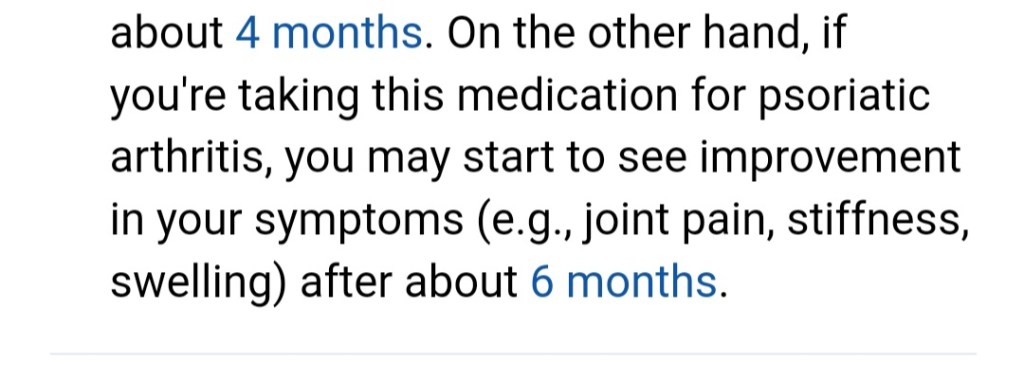
I was hoping the new medication would at least provide some improvement in the short term. Not so far (but it has only been five days). In an attempt to get a handle on when I might expect an improvement, I looked up the information.
Information re medication

Improvement after SIX MONTHS? I should say the documentation accompanying the medication and detailing two of the clinical trials provided more nuanced detail and I might see improvement by four weeks, so I’m hopeful! Even so, given that several areas of my body start getting painful at about 3 am, are REALLY painful by 7 am and that lasts until about 10 or 10:30 am depending on when I start moving (i.e., get out of bed), I have to get through the next weeks, whether they be four or 24. As my rheumatologist very sweetly squeezed me in on the last day of consulting prior to the Christmas break, we really didn’t have time for lengthy discussions, it was a fix-the-immediate-issue type consult. I will see him again in January and have the opportunity then to delve into the detail! I’m just grateful I was seen at such short notice! As he has me on Prednisolone (bridging) for six weeks, I’m figuring four to six weeks is the expectation for SOME degree of improvement.

The current list of sore bits?

  • Both shoulders (not too bad)
  • Both ankles
  • Soles of both feet
  • Posterior leg muscles, roughly around the back of the knee (could be gastrocnemius origin, not sure)
  • Right wrist (not bad)
  • Left wrist (EXCRUCIATING) – UPDATE: this is actually De Quervain tendonitis, diagnosed Dec 28.
  • Both hands, some fingers worse than others
  • The other day my neck was also in the mix, but it seems to have settled down – after some remedial exercises.

I think I’ve listed everything.

When I say the left wrist is excruciating, I mean when I load it (that is turn it, or try to lift a coffee mug) it feels like I’m being stabbed with a scalpel. When I once used that description of pain to my GP I saw the “you don’t know what that feels like” look on her face. I said, “I once stuck a pitchfork through my foot. Completely through. Into the ground on the other side.”

“Ah”, she replied, “You know what a puncture wound feels like.” Yes, sadly (and stupidly), I do.

In this particular case, it isn’t just the wrist itself, it is the tendons from the thumb, right where they pass the wrist joint. OUCH!

Anyway, back to movement! So my day goes like this. Wake up, in pain in all the various spots listed above. Clearly getting dressed and having breakfast are challenging. Getting that bra on….. you guys don’t know how lucky you are, trust me. I take my Prednisolone. Yes, ideally I should take it at night to counteract the development of inflammation overnight, however, if I do, I get NO sleep. So that’s not an option for me. I like my sleep! I need my sleep!

I potter about having breakfast (Pred has to be taken with food), gently moving everything until I can actually get dressed. By 10 or 10:30 I can walk. I mean walk outside, movement. This morning I monitored the improvements for the purposes of this article. By 300 metres the pain behind my knees had gone. By 500 metres my feet were feeling heaps better. By 1 km my ankles were improved. I have stuffed ankles anyway, the surgeon in charge of feet in my world wants to replace my ankles, they are mechanically so bad. So given they are likely a hot target for PsA inflammation, I’m not expecting them to resolve completely on a walk, but they are now much happier that when I left the house.

Walk

Having got the lower bits & pieces thawed out, I then tackle my hands. Warm, salty water in a bucket. Various finger movements, here are some.

I will also make fists. I hyerextend the fingers too, but do that out of the water.

By about 11:30 am I am actually a functional human being again. Pretty much. Am I completely pain free? No. Can I walk, use my hands? Yes.

Now I can use my hands, I can do remedial exercises for my shoulders. As I’ve detailed those at that link, I won’t repeat myself today.

I haven’t mentioned any pain medications have I? Well, no, because as I may or may not have mentioned before, the run of the mill pain meds we are allowed at home don’t really work for me most of the time. Endone we don’t even bother trying any more. I do take Panadol Osteo, it does help a little bit. This morning I didn’t bother with Tramadol as I wanted to compare to yesterday (when I did take it) and as I suspected, no difference. So I can now put Tramadol on the list of “May Work On Lucky Days” – or with some types of pain, but not all. Not working with what I’m dealing with at the moment, obviously. I do know about keeping severe pain under control, that it is harder to get back under control if you let it get too high on the scale. I’ve had a hysterectomy and a total knee replacement among other surgeries, I learnt stuff! I also know when a medication is not working.

For the record, I was born with these resistances (pain meds and sleeping meds, both). Most of my life it wasn’t a problem. I didn’t have pain and I slept like a log. Until I got sick. NOW I need the damn things to work, but the chances are slim! I also have wonky/broken pain sensors. Some, not all. I do wonder if that has anything to do with why pain relief doesn’t work with any reliability either. Pain to do with muscles, tendons, entheses I feel. Other stuff, like stomach ulcers, an infected tooth or abdominal adhesions – those pain sensors failed the quality checks during assembly.

My GP asked me had I always been that way. I said I have no idea – to ME I was normal. I didn’t know other people felt pain when I didn’t, plus I was rarely sick (other than the usual measles, mumps, chickenpox etc in pre-vaccine days). I did have meningitis at about 12. I did tell my GP that I remembered saying to people after the birth of my first child , “I’m not sure what all the fuss is about, it isn’t that bad.” The look of shock on her face was quite dramatic! I think that was the point she jumped on board with the pain management crew at the Barbara Walker Centre who first suggested I had faulty wiring.

Prior to my appendectomy, I went from absolutely no pain to agony in the space of about 30 minutes, BUT that really isn’t a reliable indication, as that can happen with appendicitis. No pain with my gallbladder either, BUT I had a porcelain gallbladder and often there is no pain with a porcelain gallbladder. So again, not conclusive evidence. Indicative, perhaps, as the surgeon did seem a little surprised that I had no pain given the state of the thing.

Without using Movement As Medicine I’d be in BIG trouble right now.

Are my legs, feet and ankles sore when I take those first 300 or so steps? Yes, I’m not going to lie to you, they are sore. I don’t start while they are still really painful, I do that thawing out first, pottering about. But no, I don’t leave the front door feeling normal.

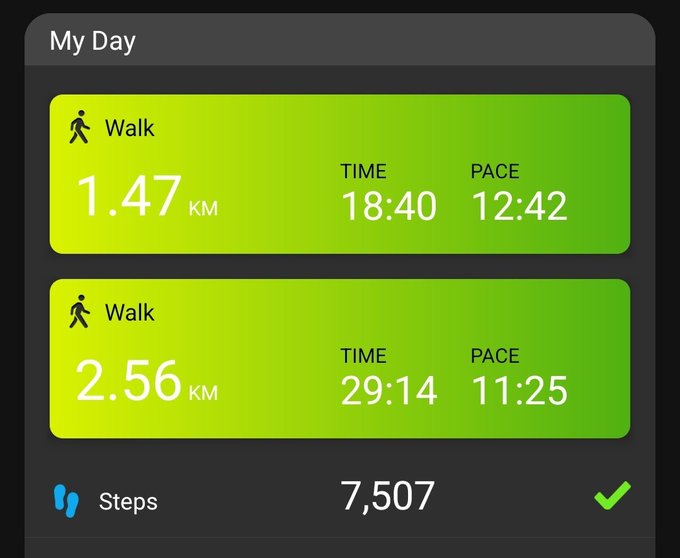
Do I have a good rest of the day? Yes, pretty much. Yesterday, I still reached my four kilometres and 7,500 steps targets. I’m slow, but I’m moving. These items list in reverse order, by the way. The 0.36 was at the end of the day, just to reach the targets. I was up earlier yesterday too, so thawed out earlier.
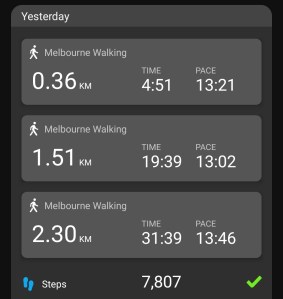
Taregts

My fingers and hands are still swollen and they actually feel swollen. But the soreness has gone for the day. I am NOT lifting weights at the moment. My assessment is (an example) the load on the wrists of holding the dumbbells for the bicep curl is not going to help the wrists. The biceps are fine! I could probably risk lower body and core stuff, but my body is fighting a battle with itself at the moment, so I’ll keep it to remedial level activities.

I will rinse and repeat the day just described until the new med starts to kick in. I will add activity intensity as I deem appropriate. For example, if I get the shoulders settled, I’ll hit the lap pool. The shoulders aren’t too bad, so I think I may be able to calm them down relatively quickly with focused attention.

Here’s the caveat. Make sure you talk to your doctor/(s) and/or physiotherapist before using Movement As Medicine. My purpose is to provide my experience as encouragement from a practical perspective. To illustrate the value of moving. Having said that, not all conditions are the same. Different patients have different comorbidities, different degrees of severity: a host of clinical considerations. Always consult YOUR health care providers.

The below is from an interview with Arizona-based chronic pain specialist David Tom, M.D.

Movement As Medicine

I have subscribed to this theory since late 2014 and it has served me well. Eight years and I’m still moving. Movement has helped me get through six medication changes (this new one is my seventh medication).

My final tip for the day? Get bright shoes! They lift your spirits!

It Feels Like Selling a Faulty Product

I’ve had this thought floating around in my head for months, but had great trouble turning it into a readable piece! After recent events (December 22 to be precise) I feel I can better illustrate the concept. What happened? My medication stopped working. I’m faulty. Action had to be taken. Right on Christmas.

Fair warning: I might be the only chronically ill person who feels like this. But I actually doubt that. Often when we think “it’s just me” we find out it isn’t “just me” at all. But it is something no-one talks about. I will primarily use myself as an example because I don’t want to speak for other people – so please think about situations I describe in relation to other chronic illnesses. The circumstances may be different, but I suggest the feelings are similar. Please share your perspective in the comments!

Many chronically ill people are single: this is where the “selling a faulty product” comes in. Some will have been single when the disease first made itself known. Others may have become single as a result of their illness. Illness place stresses on relationships and some fail as a result.

I’m NOT suggesting any of us, especially me, want to get married. Or even live with anyone. Living alone has benefits, trust me. Younger chronically ill people may have a different perspective on that, but I’m not in my twenties anymore! Companionship would be nice. A friend with benefits, perhaps. Just because we are sick, doesn’t mean we suddenly lose the desire for intimacy or love.

Most chronic conditions come with complications. At one end of the spectrum may be a Type 1 diabetic whose condition is so well controlled you’d never know unless you were told. At the other end of the spectrum we may have a person who is bedridden. Along the spectrum some will have clearly visible indications of unwellness: a walking stick, a wheelchair, a walking frame. Some will be like me (at the moment, anyway): my condition, psoriatic arthritis, is invisible. Unless I tell someone, that person will have no idea. Many chronic illness are like that. But I know I’m a “faulty product”. At least that is how I see myself.

Don’t get me wrong – I’m pleased with what I achieve in managing my health. I know and completely accept my limitations. A note for newbies to this life: acceptance takes a while. A few years in fact. But you will get there! Even so, I know I’m a bit like a car with worn brake pads or a shirt with a missing button. I, therefore, feel I should be open and honest about my limitations. But when, exactly? And no, there is no discount price involved!

Let’s take a closer look at the rose. In fact, let’s take a look at two images of the same rose.

Some days, most days, I like to think I am the rose on the left. But some days I am the rose on the right. Unlike the rose, which does not revert, I can be either conformation at any given time. Most chronic illness people will nod knowingly. Healthy people with no experience of the chronic world will be more inclined to go “WTF?”

If you “bought” the rose on the left, but woke up next to the rose on the right, what would be YOUR reaction?

As I have discussed before, chronic illness is relatively new to the human race. Many people struggle with the concept that we are incurable, most of us are not going to “get better” next week, next month, next year or, in fact, ever.

If we contemplate dating, when do we tell the “customer” that we’re faulty? Even bigger question, how much do we tell them and at what point? Up front and perhaps scare the living daylights out of them? Later and risk them feeling we weren’t sufficiently open and honest initially? Or…..is it easier to just put ourselves on the shelf? Not for sale. Return to manufacturer.

Dating a healthy person sounds good on paper, but are they going to understand? Are they going to be able to cope with the challenges we face on a day-to-day basis? Dating another “sickie” perhaps has the benefit of understanding (hopefully), but do you effectively now have double trouble? Now you have two people with challenges. If one needs to walk lots and the other needs to rest lots, how is this going to work on a practical level?

As regular readers know, I recently had some flares that saw me in ED. We put that down to an infected tooth (since extracted). However, I didn’t really get better. Three days before Christmas, I called my rheumatologist. Fortunately, I’m not cooking Christmas Dinner for anyone: my daughter and her husband live in South Australia and are coming over the first week of January. If they had been here and I had been hosting, I would have had to cancel – three days before Christmas.

We can make plans and then have to cancel at the last minute.

It isn’t just about plans and activities though. It is about the other things that go with our diseases/illnesses that healthy people may have no knowledge or experience of. Here is a SHORT list of just some of the more common issues chronic illness people may be dealing with, aside from the obvious mobility aids we can all clearly see.

  • Patient administered injections (some find this freaky)
  • Skin rashes, which may lead to the next item
  • Icky creams that end up on bed linen and don’t feel very romantic
  • Rules around eating times driven by medications
  • Ostomies
  • Continence issues
  • Mood swings, weight fluctuations etc due to medications
  • Fatigue/lethargy
  • Malaise
  • “Brain fog“
  • Pain – chronic, periodic or unpredictable

Some patients are stable. A rheumatoid arthritis patient told me recently he’s been on the same dose of the same medication for ten years and basically lives a normal life. I’ve just failed my sixth medication in eight years. I am in a lot of pain as I write this, waiting for a new medication to kick in.

I tell myself that two perfectly healthy people could start dating and some time later something occurs that disrupts their lives completely. The story of Sam Willoughby’s BMX accident is a classic example of such a situation. This is a great love story, do read it!

The pain is still etched on Sam Willoughby’s face.

Not just pain.

Uncertainty. Fear.

“BMX was my life,” Sam says while looking straight down the camera at the start of Ride, an ABC Documentary released on Sunday.

“Until it wasn’t.”

The accident that left Sam, a two-time world champion and Olympic silver medallist, paralysed from the chest down, happened on September 10, 2016.

Just 22 days earlier, Sam had been racing in the final of the Olympics in Rio de Janeiro.

https://www.abc.net.au/news/2022-11-21/ride-documentary-sam-willoughby-alise-post-bmx/101559036

In contrast, I could look at my situation as a positive: after all I know what my situation is. Or do I? Do any of us? Many of these diseases are progressive. Many have comorbidities which in some cases may be worse than our first condition, IF we develop any of those conditions on top of the one we already have.

I may have worn brake pads now, but the motor could blow up next year.

I’m a fiercely independent person. I’m not suggesting this is necessarily a positive thing, it just is what it is. Would it be nice to have someone spray this icky foam on my back, where I can’t reach? Sure it would. Then my mind says “Who’d want to do that? Someone with a controlling tendency?” It is a risk. Am I overthinking it? Probably. Maybe. Maybe not.

Interestingly, my GP has broached the topic of singledom with me, yet my psychologist never has! My psychologist talks about “expanding social circles”, very generic. My GP is much more specific (and trust me, I do mean “specific”), bless her. I would have expected it to be the other way around.

There are no manuals about how to navigate this particular aspect of being chronically ill. Nobody talks about it. At least not that I’ve seen in the readily available literature. There may be a scientific study somewhere, if you know of one, please share the information! I think the silence is born of what I see as the fact humans have not yet adapted to this fourth state of health – chronic, not curable. We haven’t developed social protocols to deal with the disclosure or information sharing.

It would be so easy if we could get our primary health care provider to write a letter, like they write a referral to a specialist, outlining the practicalities and the patient just hands it over (or there is an exchange of such letters) at a socially pre-determined appropriate time (first date? second date? before sex? I don’t know!). Then I’d feel I’ve been open and honest, the ball’s in your court now.

I don’t have a solution for this. I am hoping society can have more open conversations about the situation. So many of us live our lives hiding our conditions where possible, as I discussed in You Look So Healthy:

I asked two members of the support group if they would permit me to use photos of them looking absolutely stunning to illustrate this article. Both declined because the state of their health is not public knowledge – they are concerned about the impact being on a public website such as this may have on their jobs. One in particular is striving for remission and may be able to put all this behind her. 

You Look So Healthy!

Now I am retired, I don’t have to hide for fear of losing my job. So I can pose the difficult questions, write about the stuff no-one talks about.

Let’s Talk About Teeth

This is a follow-on from my previous article, where I detailed spending too much time in ED with rather nasty PsA flares. As detailed, the consensus in the end was I had an infected tooth and that was driving my flares.

The offending tooth has now been removed! The improvement in my overall health is nothing short of remarkable.

I have had NO major PsA flares since the tooth was extracted. I have not needed Panadol Osteo or Tramadol and have tapered off the Prednisolone. Yay!

I haven’t had a painful wrist, painful or swollen fingers, painful toes or ankles since the extraction. When I say painful in this context, I do not mean excruciating, I just mean sore, irritating or annoying. These are distinct from from full on flares, such as when I couldn’t cut the cheese as the wrist was too painful. I had been experiencing these niggles off and on since starting my new PsA medication, but had actually put it down to the new medication not being as efficacious as the previous medication. I am revisiting that assumption!

The tooth was extracted on November 21. I have delayed writing this update as I wanted conclusive proof of a couple of seemingly related improvements, however I think it may take a month or more for that, so we’ll see what happens.

In a nutshell, it seems I may have had an infected tooth for most of this year, without realising. One aspect of this saga I didn’t mention in my previous article is I have some (not all) broken or wonky pain sensors. This was initially suggested by the Barbara Walker Pain Management Centre when I did a pain management program there. There are situations where it seems every other patient known experiences pain, but I did not. I’ll cite one example here to illustrate. I have had my gall bladder removed, yet during the whole process of trying to find out what the problem was, I had NO pain. Just dizziness and nausea and felt unwell. Finally scans were done and bingo, there was a porcelain gallbladder. The surgeon’s words, on reviewing the imagining, were “That needs to come out. Now”.

We’ve decided anything muscle or joint related, I feel pain. Things like gallbladders, teeth etc – not until the very last minute, if at all.

It seems it went like this. Some time before April, the tooth became a minor problem and steadily got worse until by May/June I had developed the ongoing fever. The tooth I had issues with in June may have only had issues because the infection from this tooth had spread, upsetting a nerve. The June tooth seems fine now! Antibiotics at the time settled things down for a while, but it resurfaced. As I mentioned in the last article, this tooth is one that my partial plate clicks onto. There were times the tooth felt uncomfortable this year, but it was off and on and I wouldn’t call it pain as such, just uncomfortable. I thought it was probably just the load of the plate putting stress on the tooth, I never considered infection. Not until the very last days before I ended up in ED. By then I did actually have a toothache! Even so, it wasn’t an excruciating toothache.

Now, during this year I also lost high frequency hearing (yes, confirmed by the audiologist), lost my sense of smell and my nose was swelling internally every night, waking me up as my breathing was disrupted.

For two days after the tooth was extracted, my sinuses continuously drained down the back of my throat. Two days after having my tooth out, I walked outside after it had been raining. I could smell wet earth! Hmmmm, I thought to myself, if my sense of smell will recover, what about my hearing? After all, I had experienced a VERY mild earache during the worst of what I now refer to as “the ED weekend”. The best home test of that is taking my temperature as the high frequency alert beeps are in the frequency I can’t hear. I have been able to hear them a few times since the tooth extraction, but not every time. While I could smell the wet earth, sticking my nose in a rose is no different than it was before – yet anyway. If I walk past certain plants on my walks, I can smell a scent in the air though. I can smell cinnamon again. So while there are changes, I don’t yet have conclusive proof either my hearing or my sense of smell will return to normal. The changes to date (less that two weeks) are interesting though.

The nose swelling is still an issue, but improving. My gut is also settling, although attributing that to the tooth is complicated by the fact we also increased my Thyroxine dose at about the same time as having the tooth extracted.

Upsettingly, due to my drop in activity over this time, Garmin has kindly reassessed my Fitness Age – and not in a positive direction! I am not above admitting that at my age and with my medical conditions, I was quite proud of the fact my Fitness Age was younger than my chronological age. My objective now is to pace back up to where I was!

The bottom line here is teeth are SUCH a vital component of our health. Yes, those of us with chronic conditions are likely more susceptible to complications due to our underlying conditions and/or our medications. Even so, healthy people are also at risk. My personal situation is complicated by the pain sensor thing: clearly if I’d had a toothache earlier and reported that, I might have avoided much of what ensued!

It has certainly been an interesting experience!

I don’t always win!

I get told many of my audience see me as an inspiration. This is a lovely compliment and I really appreciate it. The recognition actually helps keep me motivated to keep doing movement as medicine to manage my own medical condition/(s).

Having said that, not everything goes according to plan. I think it is appropriate I share the dippy things I do as well as the things that go well!

Today was a dippy day. I had a plan for the day. Around 10 am have two sets of bloods done. For the curious among you, one set was for thyroid function as I recently started Thyroxine. Some years ago I swallowed radioactive iodine and as a consequence, sooner or later I was going to go hypoactive. I was lucky, I got a few years before that happened! The time has come. The second test was to meet the PBS regulatory requirements for the authority necessary to continue a biologic treatment for my psoriatic arthritis.

At 10:30 I had a GP appointment scheduled. Then my plan was off to the gym for weights. Saturday was weights, Sunday was swimming, yesterday (Monday) was an active rest day (walked 4 kms and hit goal of 7,500 steps). So back to weights today. Then I realised that was not a great plan as I was having blood tests – and that means no lifting heavy things afterwards. Hmmmm. OK, compromise, I’ll do just lower body stuff, I thought to myself. Yes, if you are wondering, I wear a mask when doing weights.

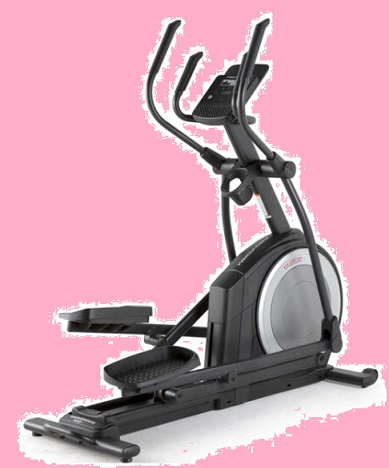
Warmed up on the treadmill. Did leg press, leg extensions, back extensions, hamstring curls, single leg push back. Couldn’t do the seated row, of course, or get on the rowing machine. Did not feel as if I’d done enough and wasn’t keen on getting back on the treadmill. Stationary bike? Nuh, not today. The elliptical machines were standing there looking rather unloved so I decided, not having been on an elliptical machine for WELL OVER 10 YEARS (and I was never a fan of them in the first place), I decided I’d just do five minutes to “top up” my workout.

At the 1 minute 30 second mark (this is me we are talking about, I time EVERYTHING for pacing purposes) my quads were telling me they were not at all impressed with this sudden change to their routine. At this point I thought, “OK, three minutes will do this time”.

At two minutes I hit the stop button. Of course, what has happened NOW is I have decided I must pace up on the elliptical machine, haven’t I? I have no desire to become an Olympic candidate by any means, I’ll be happy with five minutes!

After my recent experience with the screwing of 48 screws with a manual screwdriver, where I subsequently needed to resort to Prednisolone (brief, one day only needed – phew) and a wrist brace, I wasn’t about to overdo the elliptical machine (after a more than 10 year sabbatical). I’d learnt my lesson. Now, why I never applied the pacing logic to screwing things, I have no idea. I know better: excitement at building stuff overrode my thought processes! It happens! But really, *rolls eyes at self* I know full well my wrists are involved in my psoriatic arthritis. I have a special mouse, for that very reason!

I also fitted in my second ‘flu vaccine for the year – one of the joys of being immunosuppressed. Just thought I should finish on a positive note!

Never forget to pace.

Movement! Exercise! Mobility!

As we know I retired in order to concentrate on managing my psoriatic arthritis condition. The obvious question is “So how is it going?”

Very well, thank you for asking!

I thought a short update was in order. After all, while I do delve into other chronic illness related topics from time to time, this website IS primarily about #MovementIsMedicine. About pacing activity to maintain or, even better, improve our mobility and reduce pain and the incidence of flares. Avoid the boom/bust cycle so many chronic illness people are familiar with.

As I type it is 9:20 am. I have already walked a kilometre this morning. Yay me! Yesterday I hit the gym for weights – well, at my age and in my condition, resistance training would be a more accurate description. I am not going into the gym and lifting to failure, after all, so I feel a little guilty describing what I do as weight lifting. I am lifting weights though, just smaller ones than in my 40s!

To paint the picture, I had not been to the gym while the Covid-19 Reff was above 0.80. Saturday was my first day back for a while. Yesterday, Tuesday, was my second day. Saturday I took it gently, probably a step back from where I had been before the latest Covid-19 wave. I did the same with swimming on Sunday – a step back.

Tuesday I was pleasantly surprised to discover I had quite an easy improvement in my leg extensions. I increased my bicep curls by a kilogram with no trouble. Very good.

The best part was at the end, when I reached that point I recognised as “That’s enough for today” and stopped the timer. I’d done 27 minutes! Now, to healthy readers who wouldn’t dream of doing less that an hour, let me tell you for me that was a 5 minute improvement over Saturday. Also, please note I superset my workouts. That means I don’t do three sets of a specific exercise with a break in between sets. Supersetting is like this: a set of leg extensions, followed immediately by a set of chest press, then back to the leg extensions, rinse and repeat until the three sets of each are completed. I tend to combine things like lat pulldown and back extensions, tripcep pulldowns and the wood chop.

Benefits of supersetting are more weights done in less time, obviously. Moves the blood around the body by alternating upper body and lower body exercises. I also use the weight machines more than I used to in my pre-psoriatic arthritis days: I find I can keep my technique correct more easily than with free weights. I’m lifting to keep my body working, I don’t need to accidentally injure myself through poor technique.

I’ve set myself some retirement fitness goals:

  1. Weights sessions x 3 a week
  2. Swims/hydrotherapy x 2 a week
  3. Steps per day 7,500
  4. Increase speed to 6 kms per hour

The last one, increase speed, is related to preventing (or delaying) the onset of dementia. There have been studies that suggest slowing walking pace may be an indicator. I have slowed in recent years. I’ve also been participating in a Monash trial, Better Brains. More on this topic another day – just explaining why that goal is there! My GP rolls her eyes at me, given my ortho surgeries (and recovery times involved) and my arthritis – she thinks my pace currently is acceptable. I am not deterred!

I will still drop my step count on the days I do weights – it’s all about the pacing, folks, all about the pacing! No point in doing weights AND 7,500 steps today if I can’t do anything tomorrow.

As for more specific goals, as in swim how far, leg press of how many kilograms, etc: at this point I’m not fussed. as long as I see progress I’ll be happy. Essentially I’ll stick to the pacing principles of 10%, but I’m not going to rush it.

I am definitely seeing retiring was the right decision for my body and my health.

(Edited to correct the cited day! I had Wednesday instead of Tuesday).

I Have Retired. Should You?

I’ve been very quiet on Limberation because I’ve been extremely busy. I’ve retired and moved. BIG life change it is too!

My plan was to keep working until I was 70. My body has been saying, “Maybe not”. Not that I am in constant pain, I’m not. And I want to stay that way. Regular readers will have noticed my articles about energy use and pacing. Two very important aspects to managing my condition and retaining my mobility, function and independence.

By April of this year I had reached the point where I was seriously considering how long I could keep working. It seemed I didn’t have enough energy to work AND exercise enough: #MovementIsMedicine. Of course, simply getting older plays a part in this as well and there is not a lot I can do about the passage of time.

When my name came up on the right list for retirement housing (yes, I had been planning ahead, I was on waiting lists) I made the decision. Retirement was the way to go. The decision involved a lot of work though – energy I really was struggling to find. Writing was definitely put on the backburner. Working through phasing me out of my position in a job I love. Organising the actual move – and the move date got moved twice, just to complicate matters. The move also meant downsizing and that was work. I am typing this on my dining table, not my very large corner desk with a return on each side that I used to have! Packing took more energy. To top it off I got a temperature that hung around for six weeks and towards the end of that six weeks, a tooth infection. The temperature involved a lot of blood tests, some CT scans and several doctors visits. More energy needed. We now think the temperature and the tooth were connected, but initially I didn’t have any tooth pain, therefore we didn’t realise.

It wasn’t just me either. My brother-in-law was diagnosed with an aggressive cancer, my nephew needed stents and my daughter and her husband got Covid-19. There was an attempted identity theft/fraud on an account of mine which had to be sorted as well – I caught it as it was happening, so no losses. Everything was happening at once.

Back to why I retired. I used to be able to walk before work, walk at lunch time and walk after work. I was struggling to find the energy to get dressed before work, let alone walk before work. This wasn’t good for the management of my psoriatic arthritis. I wasn’t being consistent in my exercise either. My weight training had dropped to once a week – I was not happy about that. As a result I was experiencing an increasing number of minor flares and I didn’t want any major flares! I had already cut my working hours from 30 hours per week to 24 hours per week, but the days I worked I was still struggling to do the movement I need, therefore I was losing the consistency.

It seemed if I did the exercise and physical therapy I need to do, I was too tired to work, and if I worked, I was too tired to maintain my exercise regime. Maintaining my health as best as I possibly can is critical to quality of life. I love working, but it reached the point where I could no longer have my cake and eat it too.

Should those of us with chronic conditions make this decision earlier if we can? It is a huge decision. There are the financial implications of course. There may be housing implications as well. The age pension age keeps getting further and further away……. The disability pension (for younger patients) is almost unattainable these days. Women around my age may not have a lot of super (if any) due to the particular decades we worked through, there was no paid maternity leave for many of us and so on.

Yet more and more of the population live with chronic conditions of some sort. We have to make hard decisions about how we manage our lives. I became eligible for the age pension the year before I finally bit the bullet and retired. I am still working as a casual for my employer but minimal hours.

I believe I have made the right decision for my health. Without health, other aspects of our life may suffer: relationships, work, mental health to name just three. Do we try to “keep going” too long, or longer than we should? I’m thinking not just of now, but in ten years time. I want to give myself the best chance of minimising deterioration NOW so I can maintain quality of life in my seventies and eighties. We need to look ahead, not just at tomorrow or next week. Our modern medications, as fantastic as they are, don’t solve everything.

What am I going to do with all this “spare” time? Naturally, I’ve set myself some physical goals: swimming, weight training, walking goals. I will pace up to those goals. Find more unusual flowers!

I will write more. I will get back to my parking permit project. I will finish unpacking, cull my shoe collection.

Paint my nails! Of course!

This first week of full retirement has been psychologically challenging. I hadn’t had time to really prepare myself for the change of lifestyle and then there it was, happening. My advice would be if you can plan ahead, do so.

So that is it. I am retired. A different phase of life.

Bring it on!

#Stay the F*** at Home!

Incidental Exercise

Never underestimate the value of incidental exercise. For many years 10,000 steps a day has been considered a desirable minimal level of daily activity for health. I’ve shared the video below in other articles, about the dramatic drop in activity from our active past to our now relatively passive present. Here it is again as a reminder!

I love that video because it illustrates so well the change in how we live. Our bodies were designed for the active past lifestyle but too many of us live the passive present depicted.

Back in 2014 I participated in the Global Challenge. Looking at the website for the 2018 event, I see it has changed since 2014, but the objectives remain the same. This is an annual event to encourage office workers particularly to get out and about and moving. I am proud to say I won all the trophies available, despite some challenges such as ending up on crutches due to a very, very grumpy knee.

2014 was the year I found out I was sick. Looking back, what I find interesting was my actual steps per day in early 2014, compared to that recommended steps a day number of 10,000. We received our pedometers well before the event started and several of us started wearing them to see how much of an improvement was needed. I found I was walking approximately 2,500 steps a day. I was shocked, as I had a history of being active, but, as they say, “life happened” and I had found myself in a very inactive phase.

To paint the picture of my life at the time, I was a senior manager with a company car. In the morning, I would walk out my back door, jump in my car, drive to work, park in the basement, take the elevator up to my floor, sit in my office or meeting rooms all day, at the end of the day repeat the journey in reverse. At home I was helping children with homework, cooking dinner – there was little time for me to take care of myself. I should have made the time!

Now I deliberately use every opportunity to clock up a few extra steps: my kyBoot shoes definitely help. Without the heels I can decide, weather permitting, to walk an extra 1,000 steps down the road from my office before catching the tram.

The photo at the top of this page was taken on just such a day recently. It was a beautifully sunny end of the day, not too hot, the trees provided such a pretty filtered sunlight effect and the evening birdsong was a lovely musical accompaniment: I really enjoyed just de-stressing from the office by stretching my legs.

I am extremely lucky in that the tram line goes directly from my work location to my home location with many stops along the way. I can easily walk part way, tram part way. Not everyone has such a convenient transport situation.

If you drive to work, is it possible to park a little further away from work? That isn’t possible for me, on the days I do drive to work my only parking option is the staff car park. This is one of the reasons I prefer to take the tram as it gives me more options for incidental exercise.

Cycling to work is great exercise already: my knees don’t like cycling, so it is not an option for me. Luckily my body doesn’t object to walking in any way, which is one of the reasons incidental exercise is so important to my welfare and the management of my rheumatoid arthritis and damage in my lumbar spine.

How many of us travel to the gym or the pool, to diligently undertake exercise, in our car? My swimming pool is only 1.5 kms from my home. I have reached the point now where walking 1.5 kms is easy. One issue I have to be careful of is exposure to the sun, so I can only do that walk weather permitting. I also need to be careful not to overdo it. I am well aware that a three kilometre walk and a swim may send me into the #spoonie Boom/Bust cycle if I am not careful. Pacing is paramount. My gym is located at work: I do the same incidental steps as on a normal work day.

I walk to my general practitioner’s clinic rather than drive.

As I am a person with chronic health conditions, I don’t get to 10,000 steps on a daily basis due to the energy/lethargy issues that go with my conditions. Yet. I am slowly building up and each month I am more active that the previous month.

Look at your daily routine and determine what adjustments you might be able to make to increase your level of daily activity. I am a firm believer that frequent movement is better for our bodies and our health than being stationary all of most days then working out like mad in the gym for 45 minutes maybe three days a week. I was very happy to have my belief confirmed when I did the Pain Management Program! The reality was brough home to me more recently when I spent a day in the Emergency Department (why is a story for another day) – my body almost turned to concrete through not moving. I was very stiff after lying on a hospital bed all day.

Yes, I certainly do work out in the gym because resistance training is very important, especially as we mature, but moving as much as possible is perhaps even more important, yet so difficult for many of us to achieve.

I know from my own experience with my conditions, the days I am not working in the office and move a lot more I get to the end of the day with no stiffness or little niggles anywhere. Days when I am more stationary I will end the day in discomfort. Not pain, but discomfort. Move more. Movement is medicine has become my mantra.

This is an edited version of an article I first wrote for Kybun.

And the winner is…..

In compliance with the terms and conditions of my recent competition, today is the day I am required to announce the winner. Sadly, I will not be announcing the winner.

Earlier this week I did have an initial consultation with the winner of the competition. During the health evaluation I took her blood pressure: it was higher than I would have liked. My winner has an autoimmune condition, antiphospholipid syndrome also known as Hughes syndrome. Exercising regularly is one of the treatment recommendations but this is also a condition that results in thickening of the circulating blood and carries a risk of blood clots.

As a result of our consultation and discussion, my winner made an appointment to see her GP and is now undergoing tests. Clearance to exercise has been revoked pending the medical investigations.

While on one hand I feel a little dejected that the situation has turned out this way, on the other hand I am very glad the competition led to the winner seeking the medical attention required.

Due to the situation and the timing, I will hold any further action until the medical investigations are completed and the winner has had time to consider what she would like to do. In my view this is the appropriate course of action given the unusual circumstances.

Chronic Illness Writings by Other Authors Plus a Book

While I strongly advocate exercise where at all possible, there are many other aspects to suffering from chronic conditions. Today I am sharing some of the non-exercise related writings I have been reading recently that I hope readers may find interesting and helpful. We are all on a road, treading a path – sharing our journeys can be very worthwhile. Also –  you deserve a break from my lengthy ramblings!

Sam Moss is a fellow Australian experiencing far greater disability than I am – we are at opposite ends of a very wide spectrum. Sam had a very successful, award-winning career until she was unexpectedly forced to medically retire.

Sam recently wrote a terrific article I highly recommend, Is Acceptance Just Resignation? Readers may remember the ‘A’ in the PACT pain management program I attended. The ‘A’ was for Acceptance. Sam draws a lovely distinction between acceptance and resignation. Sam builds on that article in a follow-up, Loves and Losses. I do like the 5 G Change Model.

The second piece of writing I am highlighting today is They’re called liars and malingerers because they face pain you can’t see by reporter Julie Power about a longtime Twitter co-follower. Andrew did not fall sick or inherit a condition like so many, he was the victim of a car accident. While many of us are able to at least produce blood tests, MRIs or other diagnostic test results to substantiate our situations, Andrew cannot and has suffered as the headline indicates. Some chronic condition patients suffer similarly, such as fibromyalgia patients. Chronic Fatigue Syndrome (Myalgic Encephalomyelitis) used to be similar – I have a very dear friend who had CFS/ME back in the days when many still thought it was “all in the head”. Now research is proving it is very definitely real. Andrew’s experience has been complicated by the legal issues surrounding seeking compensation for his injuries, but the negativity he faces is something many with chronic diseases face.

Harmoni Raie is another Australian chronic illness patient who really struggled with the mental health aspects of learning to live this new spoonie life. Harmonie recently wrote, Change Begins With Us – Be A World Changer! which is uplifting.

When Doctors Don't Listen

Lastly, there is a book I spotted in the work library one day, When Doctors Don’t Listen: How to Avoid Misdiagnoses and Unnecessary Tests. I am in the process of reading it and I am finding it extremely interesting. Although written in the context of the USA health system, there are lessons for Australian patients and Australia’s health system. It is written by doctors, expressing concern about the modern cookie-cutter, recipe approach to medicine. My doctors are all great, very good listeners. The fact I am reading this book must NOT be taken as a criticism of my own doctors, I am reading it out of interest!

Don’t give up on the exercise though! Call, text or email if you’d like to discuss how exercise may help you.